Q&A Feature / Women’s Health Month
Spotlight: Gina Tash
- By Countdown
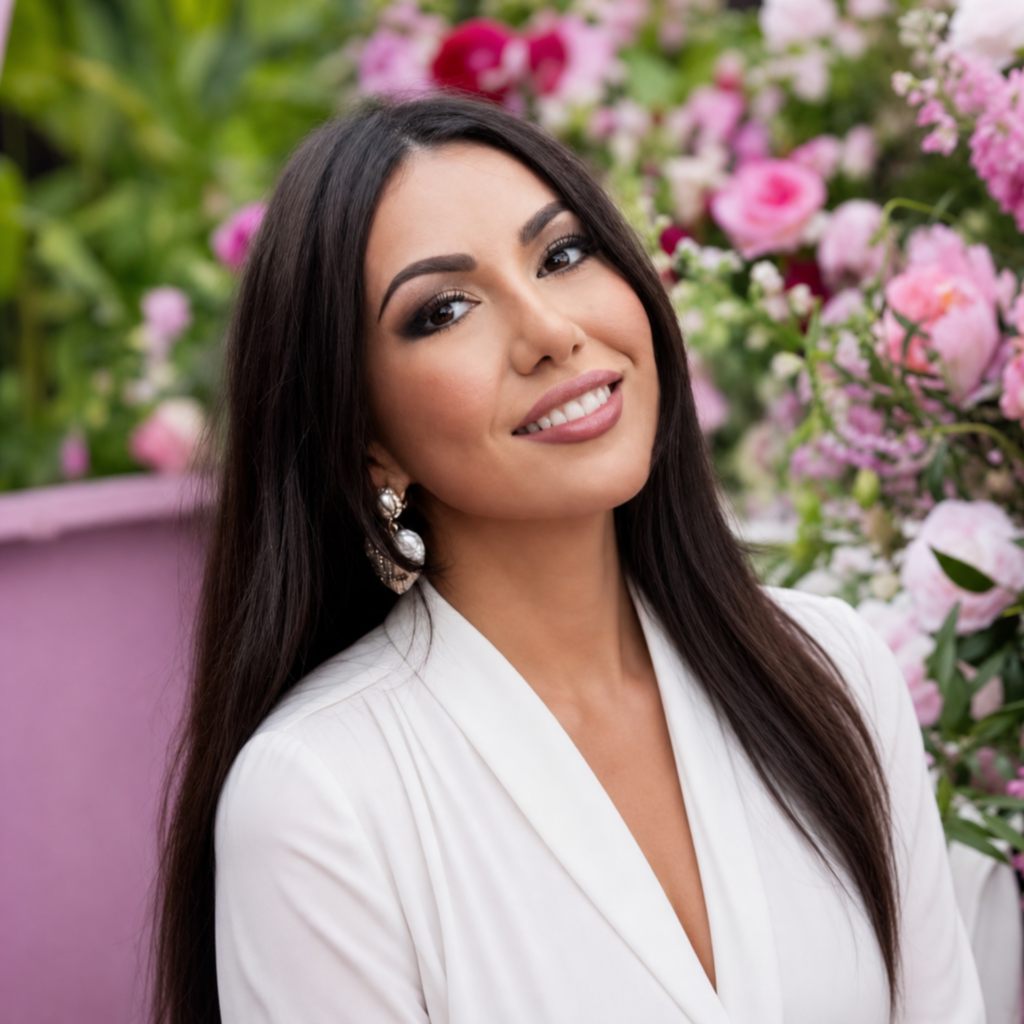
Gina Tash is the co-founder and COO of My Therapist Says, a viral media brand that blends humor with real insights on mental health, relationships, and modern life. She helped grow the platform into a massive audience by turning everyday emotional experiences into highly shareable content, making conversations around therapy and self-awareness more accessible.
Q&A
What influenced your career path, and how has your perspective on women’s health, personally and professionally, evolved over time?
I came to this through my own personal journey with therapy. I felt overwhelmed and burnt out in my 20’s, I needed an outlet, something to make me feel less alone. What I noticed early on is that other women were carrying a lot quietly. Stress, anxiety, relationship patterns, and burnout. But the way those conversations were happening publicly felt either too clinical or too polished to resonate.
My perspective shifted from “how do we fix this” to “how do we make people feel less alone in this.”
Because a lot of what women experience doesn’t start as a medical issue. It starts as something emotional, relational, or psychological that hasn’t been named yet. So I did the best I could to do my part in helping to remove the stigma of mental health struggles, and provide a community for other women like me and my sisters, to feel less alone and more connected to the general struggle of being a woman today.
Through My Therapist Says, you’ve built a platform that makes complex and often stigmatized health conversations more approachable. Why is digital media such a powerful tool for educating and empowering women around health topics?
Because it mirrors how people actually process things in real life.
No one sits down and thinks, “I’m going to study my mental health today.” It usually starts with a moment of recognition. A post, a joke, a sentence that hits a little too close.
Digital media allows those moments to happen organically.
It removes the pressure of having to be in the “right” setting to start thinking about your own patterns. And once someone sees themselves in something, they’re a lot more open to understanding it.
How can humor, relatability, and storytelling help break down barriers when discussing serious issues like women’s health, mental health, and chronic illness?
Humor is the entry point.
If something is too heavy, people avoid it. If it feels too distant, they don’t see themselves in it. Humor and relatability make it safe enough to engage. And storytelling is what actually makes it meaningful.
A lot of the content we create is essentially giving language to things people have felt but couldn’t articulate. And when that happens, it’s not just entertaining. It’s validating.
What stood out to me is that it focuses on something foundational. We talk a lot about burnout and emotional exhaustion, but we don’t always talk about what’s happening underneath that.
What drew you to Countdown, and why does this mission feel urgent to you right now?
What stood out to me is that it focuses on something foundational. We talk a lot about burnout and emotional exhaustion, but we don’t always talk about what’s happening underneath that.
The urgency comes from how normalized it’s become for women to feel depleted all the time and just push through it. There’s a missing bridge between how people feel mentally and what’s happening physically. And I think that’s an important conversation to start connecting more clearly.
What needs to change next- in research, funding, or how we think about health- to truly move women’s health forward?
We need to take women’s experiences more seriously earlier. A lot of women spend years being told something is “normal” when it doesn’t feel normal to them. Whether that’s emotional or physical.
There also needs to be more crossover between mental and physical health. Right now, they’re often treated as separate conversations, but they’re deeply connected.
And from a cultural standpoint, we need to move away from minimizing things that primarily affect women just because they’ve been normalized for so long.
What role do online communities play in helping women feel seen, validated, and supported in their health journeys?
They create immediate recognition.
When someone sees a post and thousands of comments saying “this is exactly me,” it removes the feeling that something is wrong with them.
That kind of validation is hard to find in traditional settings, especially early on.
It doesn’t solve everything, but it changes how someone relates to their own experience. And that’s usually the first step toward doing something about it.
When you start looking at energy as something your body is communicating, not something to ignore, it changes how you take care of yourself.
If you could leave the audience with one message about why mitochondrial health should matter to every woman, what would it be?
Pay attention to your energy. Not just how busy you are, but how your body actually feels.
A lot of women are used to overriding that signal. Pushing through exhaustion, brain fog, burnout, and treating it like a personality trait instead of information.
When you start looking at energy as something your body is communicating, not something to ignore, it changes how you take care of yourself. And that shift alone can make a bigger difference than most people realize.