In February 2025, Amy Enright was diagnosed with breast cancer. During treatment, she began to think of her body like a battery: how much energy was going in, and how much was going out?
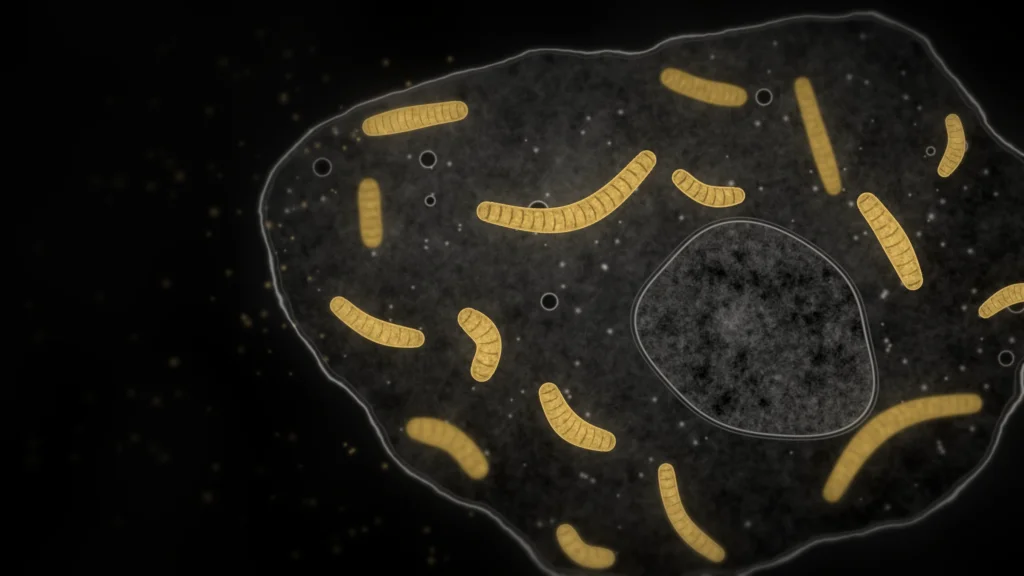
That question led her to mitochondria, the tiny structures inside our cells that turn food and oxygen into the energy every cell runs on.
The deeper she went, the more she saw how little attention and funding this science gets. And funding is Amy’s world. As founder of Newton Street, she advises philanthropists and innovators, including funders of cancer research. She calls cellular energy a possible “Rosetta Stone” for understanding disease, and she wants to help mitochondrial research get the support it deserves.
We spoke with Amy, who recently joined Countdown’s Board of Directors, about her firsthand perspective, why promising fields like mitochondrial research struggle to secure funding, and what she would tell a woman facing a breast cancer diagnosis.
You’ve worked in health and philanthropy your entire career. How did your breast cancer diagnosis change your perspective?
My surprise diagnosis gave me a visceral understanding of what it’s like to be a cancer patient in the U.S. You’re frantically navigating a complex, fragmented system while needing to rest and heal, emotionally and physically.
I was running a business, juggling two children, and navigating a divorce at the same time. I learned how much the relationships around you and the physical environment matter when you’re healing. I thought of my body like a battery – how much energy was going in, and how much was going out? Which relationships filled me, which drained me? Which decisions could be offloaded and which needed my attention right now? Spirituality became an unexpected and now essential part of my life, as did art, music, writing and beauty in all its many forms. In philanthropy and medicine, we don’t always treat those aspects of care as urgent or worthy of investment. I’d like to see that change.
“I thought of my body like a battery – how much energy was going in, and how much was going out?”
The experience has deepened my compassion and changed what I notice, personally and professionally. At Newton Street, where philanthropy focused on cancer research and treatment is a key part of our work, I now bring an understanding I couldn’t have had before.
What did you see from the inside that you hadn’t fully seen before?
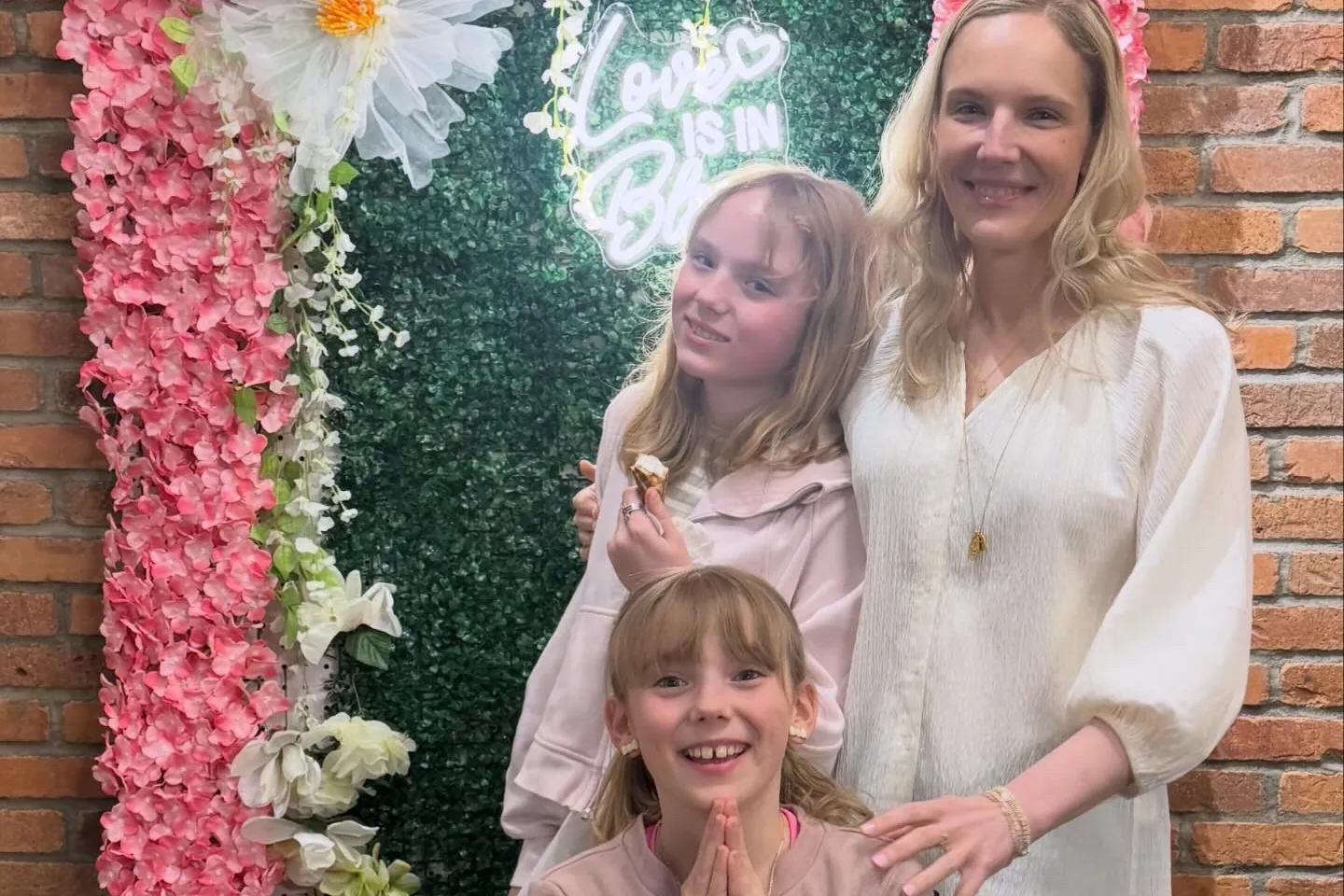
The beauty of the people waiting for radiation with me, daily, over many weeks. I had joyful and humorous and profound conversations in that waiting room. That surprised me.
Before my diagnosis, I would have imagined this as an isolating and devastating path to walk, especially without a partner. And sometimes it was. But there was so much light in my interactions with other patients and the people caring for us. Providence Swedish Cancer Institute in Seattle deserves a big shout out for their compassionate and nuanced care focused on quality of life for patients. I gained so much along the way. I met new friends, deepened my faith, and unlocked my creativity.
I also saw how much more attention we need to give to the experience of being on treatment. Women may be asked to take medicines for years, sometimes a decade or more. Even when those medicines are effective against cancer, the side effects can be very hard to live with. We need to be able to speak openly about the full range of symptoms and have them taken seriously in research and drug development.
Did your diagnosis change how you thought about your body, down to your cells? How did that lead you to mitochondrial research?
Absolutely. I became much more aware of what was happening inside my body, particularly my experience of energy. I also wanted to understand how cells function and what happens when those processes go awry.
I began thinking about symptoms I had ignored over the years and asking more questions. I wasn’t going to be able to work backward and explain my diagnosis, but I wanted to understand my body better. That curiosity led me to mitochondrial function.
What continues to draw me in is how much there is to learn across different diseases by studying something as basic as how our cells make and use energy. I think of it as a possible Rosetta Stone. There’s still so much we don’t understand, and I want to help this research get the attention and funding it deserves.
That’s what excites me about Countdown, the possibilities this work holds for cancer, women’s health, and health more broadly.
“What continues to draw me in is how much there is to learn across different diseases by studying something as basic as how our cells make and use energy. I think of it as a possible Rosetta Stone.”
From your years in global health philanthropy, why do foundational fields like mitochondrial research struggle to get funded?
Just like the healthcare system itself, philanthropy is often siloed. Funders, understandably, want to focus on one disease. One issue area. One project. The challenge is getting people to consider research that may be relevant to several of the diseases they care about, or that have a longer time horizon.
Countdown has an opportunity to help funders understand the research and get to know the people doing it. For me, the stories of people living with health conditions matter the most. They’re the reason to keep asking questions and funding the work, even when answers take time. I spend a lot of time thinking about where philanthropy is needed and how to help people see possibilities and to dream a little bit.
And its an exciting time in medical research. With the advent of AI, new treatments, breakthroughs and understanding about biology is arriving faster than ever before. We’re at a point where the future is beginning to arrive almost as quickly as we dream it into being. What looked like long time horizons might now be condensed into months. We need more smart risk taking in philanthropy on research so that more lives may benefit and sooner.
“We need more smart risk taking in philanthropy on research so that more lives may benefit and sooner.”
Connect with Amy on LinkedIn